Writing is easy, but writing to sell? That is an art form. Imagine walking into a store where the salesperson is either silent or speaks in a language you don’t understand. You’d probably walk right back out, wouldn’t you? The digital world works the same way. Your copy for websites acts as your 24/7 digital salesperson. If it’s confusing, boring, or robotic, your visitors will bounce faster than a rubber ball. Writing is the bridge between a stranger and a loyal customer. Many business owners spend thousands of dollars on fancy animations and sleek logos, only to slap some generic text on the page at the last minute. That is a massive mistake. While design catches the eye, it is the copywriting that opens the wallet. Think about the last time you bought a gadget online. Was it the shiny photo that convinced you, or the description that explained how it would save you two hours of work every day? Most likely, it was the latter. Good website content builds trust through clear communication. I once worked with a local bakery that had the most beautiful website I’d ever seen—slow-motion videos of flour dusting through the air and high-definition shots of golden croissants. Yet, their “Order Now” button was rarely clicked. When we looked at the user experience, we realized the text was the problem. It was flowery and poetic but didn’t actually tell people how to buy or why these croissants were better than the grocery store version. We swapped the “poetic” fluff for direct sales copy that highlighted their 4:00 AM baking schedule and organic ingredients. Sales tripled in a month. The lesson? Clarity beats cleverness every single time.
Copy for Websites Examples: Learning from the Pros
When you look at successful copy for websites examples, you’ll notice a pattern: they speak directly to the user’s soul. Take Apple, for instance. They don’t just list technical specs; they tell you how their tech makes you more creative. Or look at Basecamp; their copy is famously conversational, making complex project management feel like a breeze. By studying these examples, you can see how to balance professional authority with a friendly, human tone. A great example of high-converting copy is the use of storytelling. Instead of saying “Our software is fast,” a pro writer says, “Get your Friday afternoon back.” This shift in perspective is what transforms a simple browser into a confident buyer.
Copy for Websites Free Resources and Tools
You don’t always need a massive budget to improve your site. Searching for copy for websites free templates can give you a solid foundation. Many content marketing blogs offer free worksheets to help you define your brand voice. Using these free resources allows you to practice the AIDA model (Attention, Interest, Desire, Action) without spending a dime on expensive consultants. Free tools like Hemingway Editor can also help you strip away the fluff. It highlights complex sentences and unnecessary adverbs, ensuring your copy for websites remains punchy and accessible to everyone.
Best Copy for Websites: What Sets It Apart?
The best copy for websites shares one secret ingredient: empathy. It isn’t just about using fancy adjectives; it’s about proving you understand the customer’s problem. When a visitor feels “seen,” their resistance to buying vanishes. High-quality copy uses sensory language to paint a picture of a better life—one where your product has solved their biggest headache. To achieve the best results, you must focus on psychological triggers. These include things like authority, liking, and consistency. When your copy hits these notes, the reader feels a natural pull toward your offer.
Copy for Websites App and Software Solutions
If you struggle with “blank page syndrome,” a copy for websites app can be a lifesaver. Modern tools powered by Artificial Intelligence can help you brainstorm headlines or generate product descriptions in seconds. While these apps are great for getting started, remember to always add your personal touch. A brand voice is something an algorithm can suggest, but only a human can truly perfect. Many writers use an AI writing assistant to check for tone and clarity. This ensures that the message remains consistent across all pages, from the homepage to the “Contact Us” section.
Copy Text from Protected Website Online: A Guide for Researchers
Sometimes you find a perfect quote or data point, but the site prevents interaction. Learning how to copy text from protected website online is a common task for researchers and students. While you should always respect copyright laws, sometimes you need to pull information for fair use purposes. Using your browser’s “Reader Mode” is often the simplest way to access the text you need without technical hurdles. Ethical copying is key. If you are using another site’s data to improve your own copy for websites, always provide a backlink. This builds SEO juice and establishes you as a trustworthy member of the online community.
Allow Copy Functions for Better Accessibility
From a developer’s perspective, choosing to allow copy on your site is actually a win for web accessibility. When users can easily highlight and copy information—like an address or a coupon code—it reduces friction. Restricting these basic browser functions often frustrates potential customers and can lead to a higher bounce rate. When you make it easy for users to interact with your text, you are improving the overall customer journey. Simple functionality like this shows that you value the user’s time and effort.
Allow Copy Extension: Overcoming Script Restrictions
If you frequently encounter sites that disable right-clicking, an allow copy extension for your browser can bypass these scripts. These browser extensions re-enable the standard context menu. This is particularly useful for designers who want to save a color hex code or developers looking at source code for inspiration. Using an extension can save hours of manual typing when you are performing competitor analysis. Just ensure the tool you choose is from a reputable developer to protect your browser’s security.
Simple Allow Copy: The Easiest Way to Interact
When you want a no-fuss solution, a simple allow copy approach involves toggling JavaScript off in your browser settings temporarily. This allows you to interact with the text as intended. By keeping things simple, you ensure that you can gather the competitive intelligence needed to write even better copy for websites of your own. This method is effective because it doesn’t require installing new software. It’s a quick fix for those moments when you just need to grab a single sentence for a reference or a citation.
Step-by-Step Guide to Writing High-Converting Copy
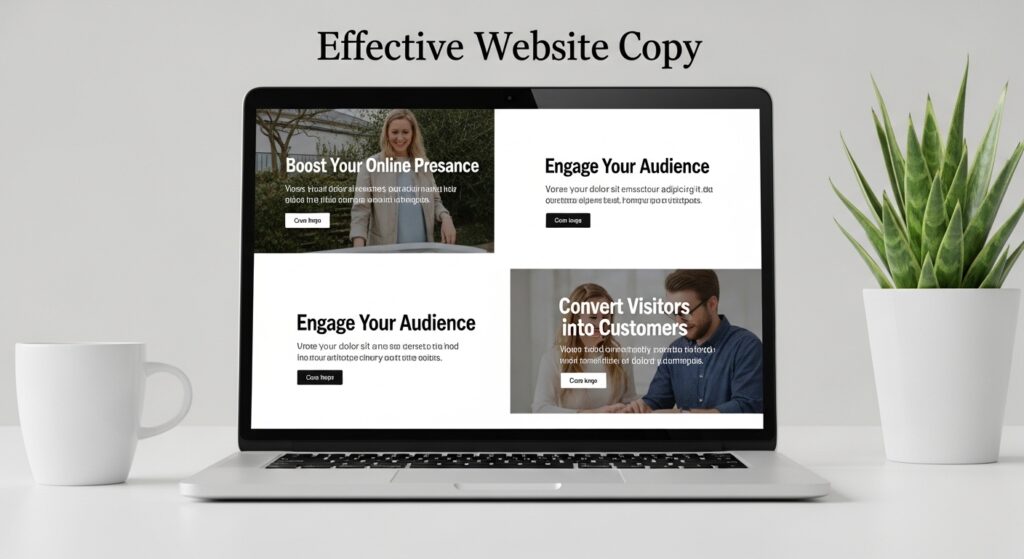
Creating effective copy for websites doesn’t require a degree. It requires a proven framework. First, write a magnetic headline. Your headline is the most important piece of web copy. In fact, 8 out of 10 people will read your headline, but only 2 out of 10 will read the rest. Your headline should focus on a major benefit. Second, use the Problem-Agitation-Solution (PAS) formula. Identify a struggle your reader has, make that struggle feel real by describing the frustration, and finally, present your product as the hero that saves the day. This creates a logical flow that leads the reader toward a purchase. Third, focus on benefits, not just features. A feature is what your product is, while a benefit is what your product does for the customer. Instead of saying “10-hour battery,” say “Work all day without hunting for a power outlet.” Always ask yourself “So what?” to find the true value.
Mastering Semantic SEO for Better Visibility
In the modern era, you aren’t just writing for humans; you are writing for search engines. Today, we focus on semantic SEO. It’s the practice of writing about a topic in-depth so that search engines understand the context of your page. If you are writing about copy for websites, you should also naturally include terms like search engine optimization and conversion rate optimization. Use subheadings to help Google crawl your content and make it easier for humans to skim. Also, utilize internal linking to link to other relevant pages on your site to create a “web” of information that proves your authority.
Final Thoughts: Your Turn to Write
Writing copy for websites is about being human. It’s about understanding a need and offering a hand. If you follow the steps outlined above—focusing on the audience, using clear benefits, and backing it all up with social proof—you will create a website that actually works for you. Don’t let your brilliant product be hidden behind mediocre words. Start rewriting your home page today. Use the SEO strategies we discussed to get found, and use persuasive techniques to get bought with confidence. Your customers are waiting to hear from you. Give them something worth reading.
