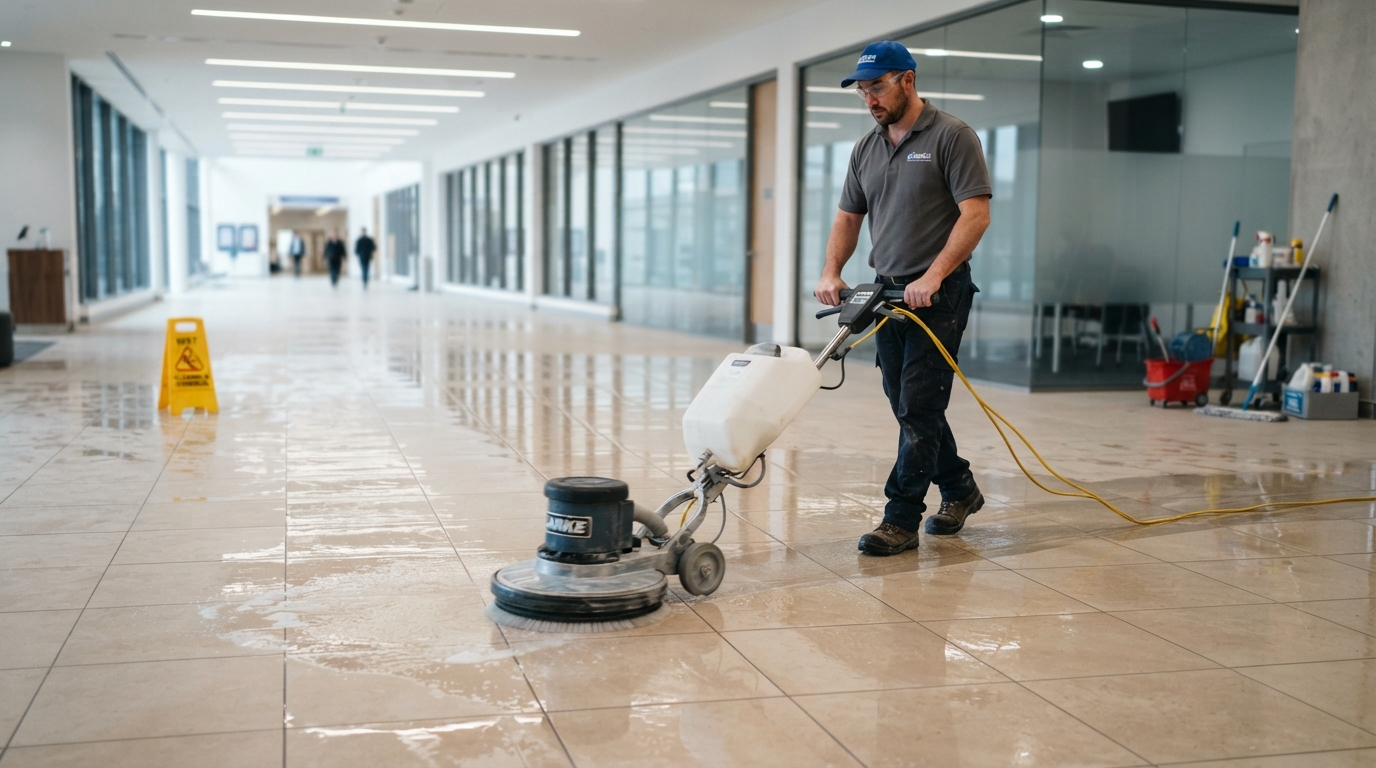
Let us be completely honest with each other for a moment: nobody wakes up on a Saturday morning with a burning desire to spend two hours on their knees, wielding a toothbrush, violently scrubbing stubborn grime out of bathroom tile grout lines. In fact, if you are anything like me, you have likely postponed this grueling chore until the soap scum began forming its own distinct mini-ecosystem in the corner of your enclosure How to Clean Shower Tiles Without Scrubbing.
A few months back, I found myself standing in my master bathroom, staring down a nightmare. My white subway tiles had developed a dull, hazy film, and the grout lines—once pristine—were morphing into an unsightly shade of brownish-orange. I grabbed an abrasive pad, sprayed a harsh chemical cleaner, and began scrubbing vigorously. Halfway through, my shoulders were burning, my knuckles were scraped, and my nostrils were burning from toxic chemical fumes. Worse yet? Once the tiles dried, I realized I had barely made a dent in the buildup. It felt like a total defeat.
That exact moment of frustration sparked a personal mission: there had to be a smarter, gentler, and far more effective way. I wanted to learn how to clean shower tiles without scrubbing once and for all. After months of testing chemical interactions, experimenting with natural solutions, and consulting professional cleaners, I discovered that tile maintenance does not require physical muscle; it requires clever chemical reactions and the right tools. In this comprehensive masterclass, I will reveal how you can effortlessly dissolve soap scum, obliterate mineral residue, and restore brilliant shine to your bathroom without straining a single muscle.
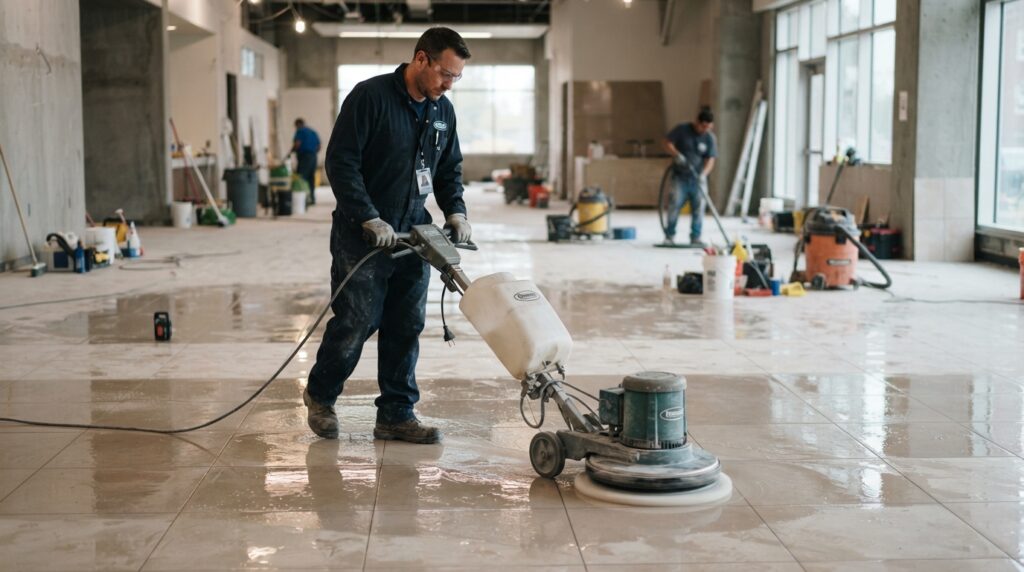
Understanding the Enemy: What Is Actually on Your Shower Tiles?
Before diving into solutions, it is crucial to understand what you are actually fighting. The stubborn layer coating your bathroom surfaces is rarely just dirt. Instead, it is a complex cocktail of organic and inorganic compounds that bond together over time.
First, there is soap scum. When the fatty acids present in traditional bar soap react with dissolved calcium and magnesium minerals in tap water, they create an insoluble paraffin-like layer. This sticky film acts like a magnet for dead skin cells, hair product residues, and body oils. Over time, it hardens into a tough shell that regular water simply slides right off of.
Second, hard water stains pose a major challenge. If your household relies on hard water, every shower leaves micro-droplets packed with calcium carbonate and silica behind on your walls. As the water evaporates, it deposits these mineral salts, creating chalky white streaks and hazy films on porcelain, ceramic, and glass surfaces.
Finally, moist, warm shower enclosures create an ideal breeding ground for mildew growth and pink mold (scientifically known as Serratia marcescens). These microorganisms burrow deep into porous grout lines, anchoring themselves securely. If you only clean the surface without tackling the root cause, they return within days.
The Science of Effortless Cleaning: Penetration Over Muscle
Why do most people end up scrubbing until their hands ache? Because they apply a cleaner and immediately try to wipe it away. However, the secret to learning how to clean shower tiles without scrubbing lies in three key elements: dwell time, acidity balance, and active surfactants.
When you apply a cleaner, it needs sufficient dwell time—typically between 15 to 30 minutes—to break down the physical bonds holding the grime to the tile glaze. Think of it like soaking a baked-on lasagna dish in warm water overnight rather than immediately attacking it with a knife. Dwell time allows active ingredients to penetrate deep into thick soap scum layers, emulsifying oils and dissolving mineral deposits so they can be effortlessly rinsed away with a shower sprayer.
Let us be completely honest with each other for a moment: nobody wakes up on a Saturday morning with a burning desire to spend two hours on their knees, wielding a toothbrush, violently scrubbing stubborn grime out of bathroom tile grout lines. In fact, if you are anything like me, you have likely postponed this grueling chore until the soap scum began forming its own distinct mini-ecosystem in the corner of your enclosure.
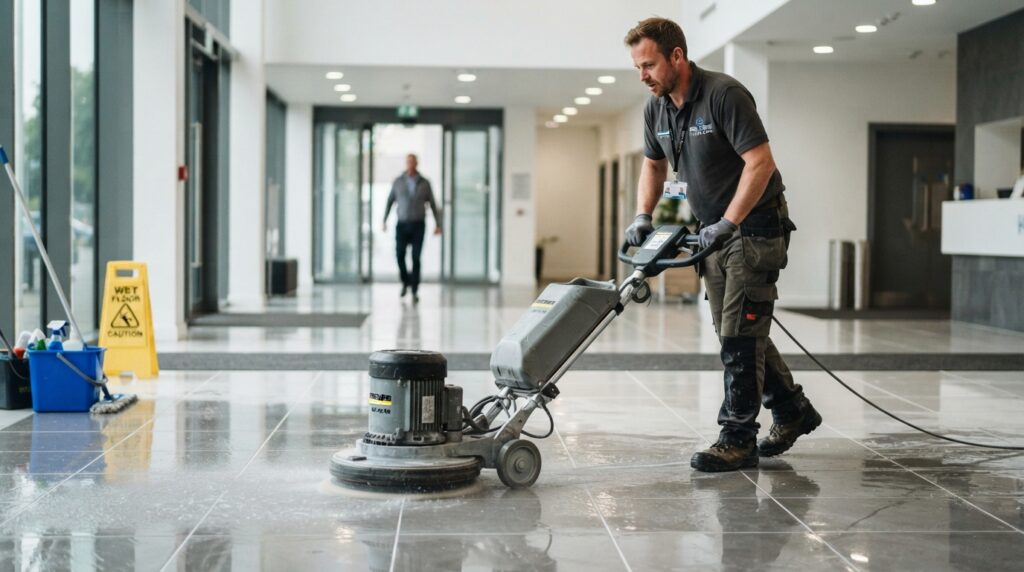
A few months back, I found myself standing in my master bathroom, staring down a nightmare. My white subway tiles had developed a dull, hazy film, and the grout lines—once pristine—were morphing into an unsightly shade of brownish-orange. I grabbed an abrasive pad, sprayed a harsh chemical cleaner, and began scrubbing vigorously. Halfway through, my shoulders were burning, my knuckles were scraped, and my nostrils were burning from toxic chemical fumes. Worse yet? Once the tiles dried, I realized I had barely made a dent in the buildup. It felt like a total defeat.
That exact moment of frustration sparked a personal mission: there had to be a smarter, gentler, and far more effective way. I wanted to learn how to clean shower tiles without scrubbing once and for all. After months of testing chemical interactions, experimenting with natural solutions, and consulting professional cleaners, I discovered that tile maintenance does not require physical muscle; it requires clever chemical reactions and the right tools. In this comprehensive masterclass, I will reveal how you can effortlessly dissolve soap scum, obliterate mineral residue, and restore brilliant shine to your bathroom without straining a single muscle How to Clean Shower Tiles Without Scrubbing.
Understanding the Enemy: What Is Actually on Your Shower Tiles?
Before diving into solutions, it is crucial to understand what you are actually fighting. The stubborn layer coating your bathroom surfaces is rarely just dirt. Instead, it is a complex cocktail of organic and inorganic compounds that bond together over time.
First, there is soap scum. When the fatty acids present in traditional bar soap react with dissolved calcium and magnesium minerals in tap water, they create an insoluble paraffin-like layer. This sticky film acts like a magnet for dead skin cells, hair product residues, and body oils. Over time, it hardens into a tough shell that regular water simply slides right off of.
Second, hard water stains pose a major challenge. If your household relies on hard water, every shower leaves micro-droplets packed with calcium carbonate and silica behind on your walls. As the water evaporates, it deposits these mineral salts, creating chalky white streaks and hazy films on porcelain, ceramic, and glass surfaces.
Finally, moist, warm shower enclosures create an ideal breeding ground for mildew growth and pink mold (scientifically known as Serratia marcescens). These microorganisms burrow deep into porous grout lines, anchoring themselves securely. If you only clean the surface without tackling the root cause, they return within days How to Clean Shower Tiles Without Scrubbing.
Let us be completely honest with each other for a moment: nobody wakes up on a Saturday morning with a burning desire to spend two hours on their knees, wielding a toothbrush, violently scrubbing stubborn grime out of bathroom tile grout lines. In fact, if you are anything like me, you have likely postponed this grueling chore until the soap scum began forming its own distinct mini-ecosystem in the corner of your enclosure.
A few months back, I found myself standing in my master bathroom, staring down a nightmare. My white subway tiles had developed a dull, hazy film, and the grout lines—once pristine—were morphing into an unsightly shade of brownish-orange. I grabbed an abrasive pad, sprayed a harsh chemical cleaner, and began scrubbing vigorously. Halfway through, my shoulders were burning, my knuckles were scraped, and my nostrils were burning from toxic chemical fumes. Worse yet? Once the tiles dried, I realized I had barely made a dent in the buildup. It felt like a total defeat.
That exact moment of frustration sparked a personal mission: there had to be a smarter, gentler, and far more effective way. I wanted to learn how to clean shower tiles without scrubbing once and for all. After months of testing chemical interactions, experimenting with natural solutions, and consulting professional cleaners, I discovered that tile maintenance does not require physical muscle; it requires clever chemical reactions and the right tools. In this comprehensive masterclass, I will reveal how you can effortlessly dissolve soap scum, obliterate mineral residue, and restore brilliant shine to your bathroom without straining a single muscle.
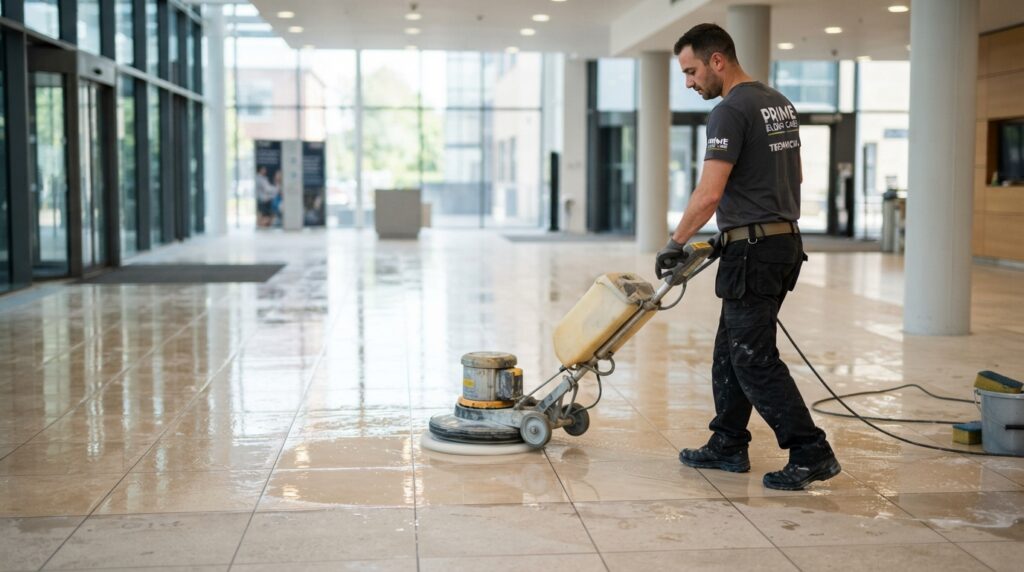
Understanding the Enemy: What Is Actually on Your Shower Tiles?
Before diving into solutions, it is crucial to understand what you are actually fighting. The stubborn layer coating your bathroom surfaces is rarely just dirt. Instead, it is a complex cocktail of organic and inorganic compounds that bond together over time.
First, there is soap scum. When the fatty acids present in traditional bar soap react with dissolved calcium and magnesium minerals in tap water, they create an insoluble paraffin-like layer. This sticky film acts like a magnet for dead skin cells, hair product residues, and body oils. Over time, it hardens into a tough shell that regular water simply slides right off of.
Second, hard water stains pose a major challenge. If your household relies on hard water, every shower leaves micro-droplets packed with calcium carbonate and silica behind on your walls. As the water evaporates, it deposits these mineral salts, creating chalky white streaks and hazy films on porcelain, ceramic, and glass surfaces.
Finally, moist, warm shower enclosures create an ideal breeding ground for mildew growth and pink mold (scientifically known as Serratia marcescens). These microorganisms burrow deep into porous grout lines, anchoring themselves securely. If you only clean the surface without tackling the root cause, they return within days How to Clean Shower Tiles Without Scrubbing.
