


4
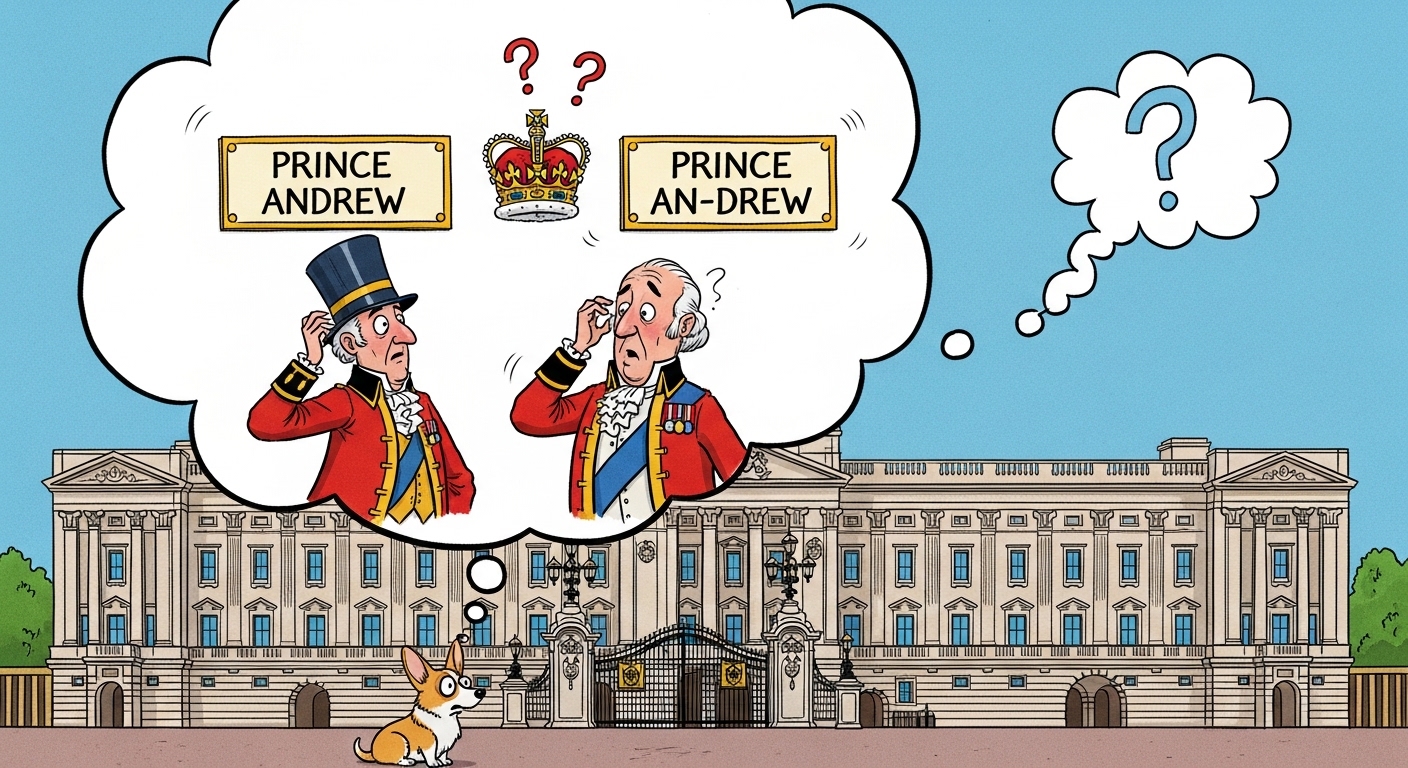
The conversation surrounding “buckingham palace is reconsidering adding a hyphen to andrew’s name” has captured global attention. In modern royal politics, even the smallest stylistic decision can become a symbol of institutional direction, public reputation management, and constitutional tradition.
Inside the halls of Buckingham Palace, discussions about naming conventions are rarely just about grammar. They often reflect broader questions about identity, history, diplomacy, and public perception.
In this long-form editorial guide, we will explore:
- The meaning behind “buckingham palace is reconsidering adding a hyphen to andrew’s name”
- Royal naming traditions
- Legal and constitutional implications
- Public controversy and media discussion
- Practical explanations for everyday readers
Let’s dive in.
Is the palace changing Andrew’s name again? Understanding the controversy
The question “Is the palace changing Andrew’s name again?” stems from ongoing public debate about Prince Andrew, the Duke of York and son of Queen Elizabeth II.
Royal name adjustments are not entirely new. Throughout history, members of the British royal family have modified titles, surnames, or styles depending on political or social circumstances.
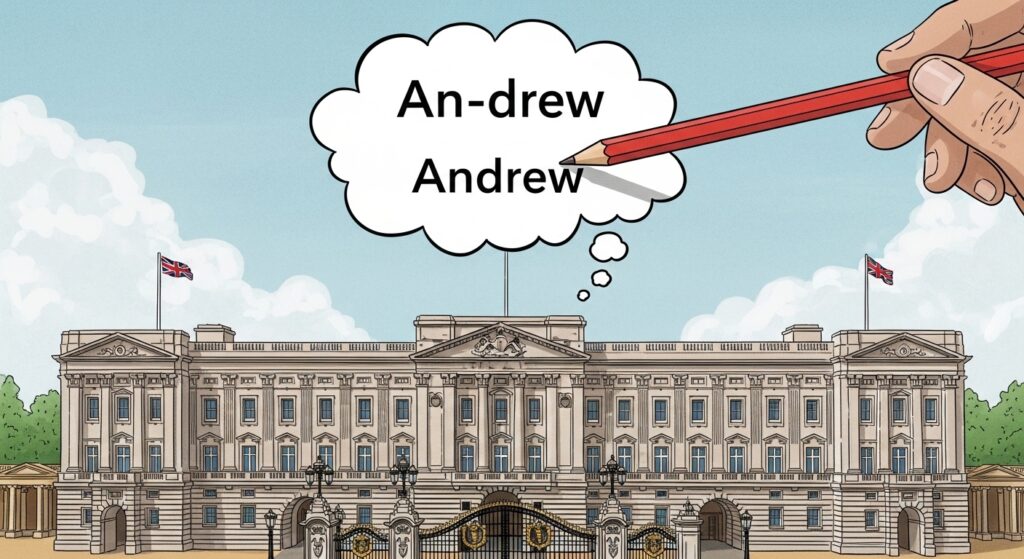
The possible reconsideration of adding a hyphen would potentially affect how his surname is officially written:
- Current common usage: Andrew Mountbatten Windsor
- Possible revised format: Andrew Mountbatten-Windsor
This may seem trivial, but within royal administration, consistency is critical.
Transitioning to a hyphenated format could symbolize clearer family lineage recognition. However, critics argue it would have minimal practical impact.
Historically, royal identity has always been carefully curated rather than spontaneously changed.
Why is there no hyphen in Andrew Mountbatten Windsor? Royal history explained
The phrase “Why is there no hyphen in Andrew Mountbatten Windsor?” connects directly to royal surname policy.
The royal family uses Mountbatten-Windsor as its official family surname when one is required. This name was created by Prince Philip and adopted to represent both paternal and maternal royal lineage.
The name originates from:
- Mountbatten — from Prince Philip’s family heritage
- Windsor — from the royal house name chosen during World War I
During wartime nationalism concerns, the royal house changed its name from foreign-sounding dynastic titles to a more British identity.
This historical decision still influences modern naming conventions.
The lack of hyphen in some informal references may simply reflect media style preferences rather than legal naming requirements.
What is Prince Andrew’s legal name now? Legal identity and royal protocol
The question “What is Prince Andrew’s legal name now?” is more complex than it appears.
Legally and ceremonially, he is most commonly referred to as:
- His Royal Highness Prince Andrew, Duke of York
His full legal style is tied to his royal title rather than a standard civil surname.
Unlike ordinary citizens, royal family members operate under a dual identity structure:
- Personal identity
- Constitutional and ceremonial identity
In constitutional monarchy systems like the United Kingdom’s, titles often carry more legal and social weight than surnames.
Under the reign of King Charles III, royal title usage has been carefully controlled, especially after public controversies surrounding Prince Andrew.
Is Andrew still in line for the throne? Succession rules explained


4
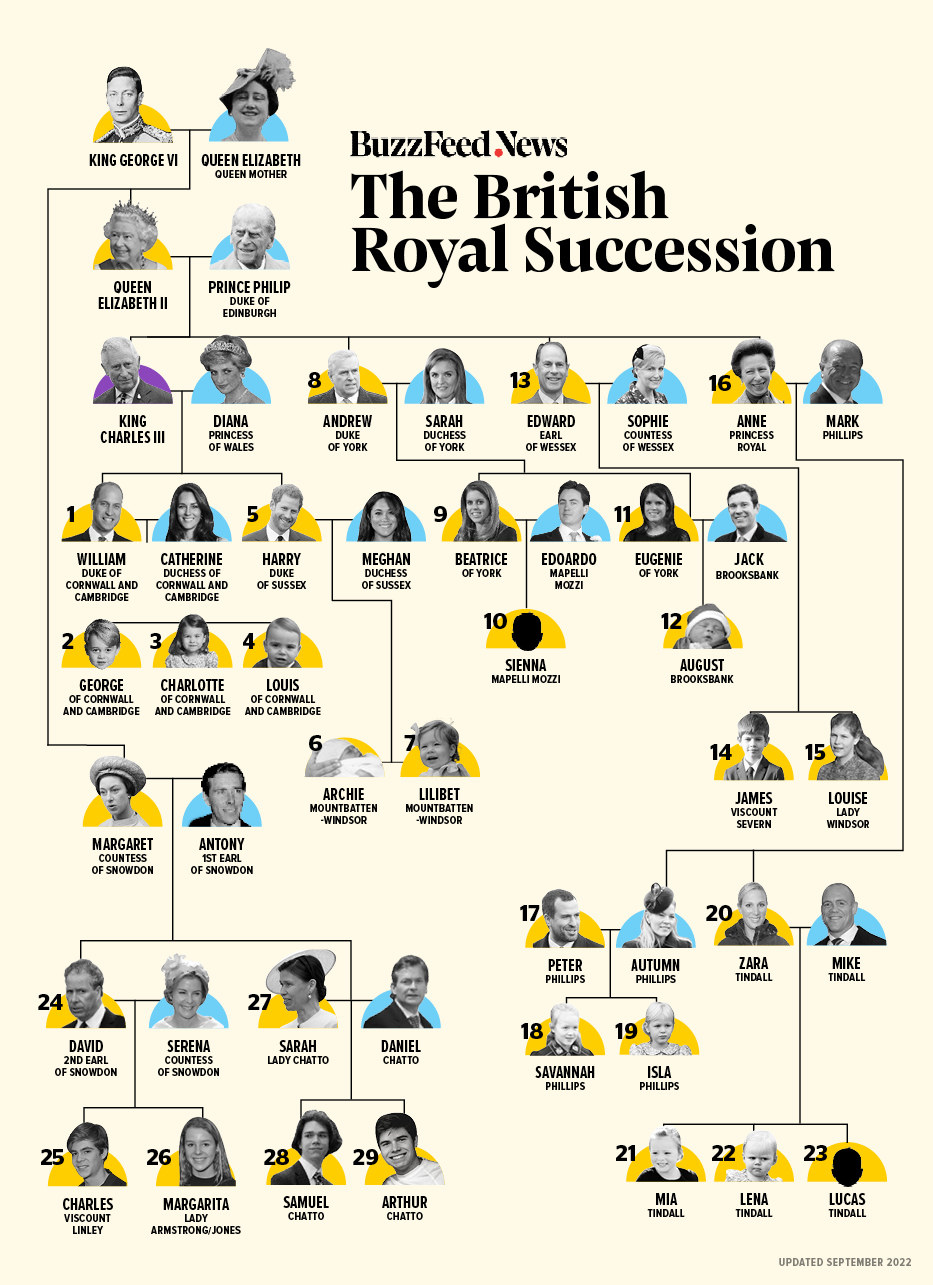
The question “Is Andrew still in line for the throne?” is frequently asked.
Yes — but his position is extremely low in the British Royal Succession Line.
The Act of Settlement 1701 and modern royal succession reforms determine order of inheritance.
Currently, Prince Andrew’s position is far removed from direct succession due to:
- Presence of younger royal heirs
- Children and grandchildren of King Charles III
- Constitutional monarchy modernization
The primary heirs include:
- Prince William
- His children
- Other senior descendants
Therefore, Andrew’s practical political importance within succession is minimal.
The Branding Perspective: Why Buckingham Palace Cares About Names
Returning to “buckingham palace is reconsidering adding a hyphen to andrew’s name”, branding theory offers insight.
Royal institutions function similarly to global heritage brands.
A name adjustment could help with:
- Media clarity
- Digital search accuracy
- Archival documentation consistency
- Public relations strategy
Modern monarchy branding is increasingly influenced by digital communication and global media coverage.
Think of it like corporate brand architecture. Large organizations often standardize naming conventions across departments.
Public Opinion and Media Debate
Public response to Prince Andrew-related discussions has been mixed.
Some support institutional clarity and modernization. Others believe symbolic changes should not overshadow more substantive institutional reforms.
Royal commentators often note that symbolic changes matter because the monarchy operates heavily on perception.
Even minor modifications can shape public trust and institutional credibility.
Cultural and Political Context of Royal Name Discussions
Royal naming debates are never purely linguistic.
They intersect with:
- Political history
- National identity
- Media narratives
- Constitutional symbolism
For example, the British monarchy has repeatedly adjusted presentation style to reflect societal expectations.
The transition from traditional aristocratic naming conventions toward modern standardized naming reflects broader social change.
Step-by-Step Guide: How to Understand Royal Name Changes
If you want to analyze royal naming decisions like an expert, follow this process:
Step 1: Check Official Sources
Always verify statements from palace communications.
Step 2: Study Historical Precedent
Compare with past royal reforms.
Step 3: Analyze Media Language
Notice how newspapers frame the story.
Step 4: Evaluate Political Context
Royal decisions rarely happen in isolation.
Step 5: Consider Public Reaction
Social sentiment often influences royal communication strategy.
SEO and Knowledge Strategy for Readers
To fully understand “buckingham palace is reconsidering adding a hyphen to andrew’s name”, readers should explore:
- British constitutional law
- Royal genealogy history
- Modern monarchy media relations
- Political communication strategy
Building knowledge across these fields provides a deeper understanding of royal decision-making.
Why This Matters to Modern Readers
This discussion matters because it reflects broader social trends:
- Institutional transparency
- Media globalization
- Heritage preservation
- Reputation management
The monarchy continues evolving while maintaining historical continuity.
That balance is the secret to its longevity.
Final Thoughts
Whether or not Buckingham Palace officially changes Prince Andrew’s name formatting, the debate itself is meaningful.
It demonstrates how even punctuation can carry historical, political, and cultural weight inside royal institutions.
The monarchy survives not by avoiding change — but by managing change carefully.
For readers interested in royal affairs, staying informed through credible historical and constitutional resources is the best way to understand future developments.
Because in royal politics, sometimes even a hyphen can tell a story.
